Comics can be an incredible source of inspiration and wonder for photographers and videographers, especially when viewed as a form of “visual theater” on the page.
I have highlighted several points that comics and concept art can bring to photography and video from the perspective of contemporary art, visual narrative, and shot direction.
Composition as the direction of emotion.
Light as a plot device.
Hyperbolization of forms and poses/angles.
Color as a code.
Editing and rhythm of the series.
Visual identity of the character.
Now let's go through each point separately.

1. Composition as a direction of emotion.
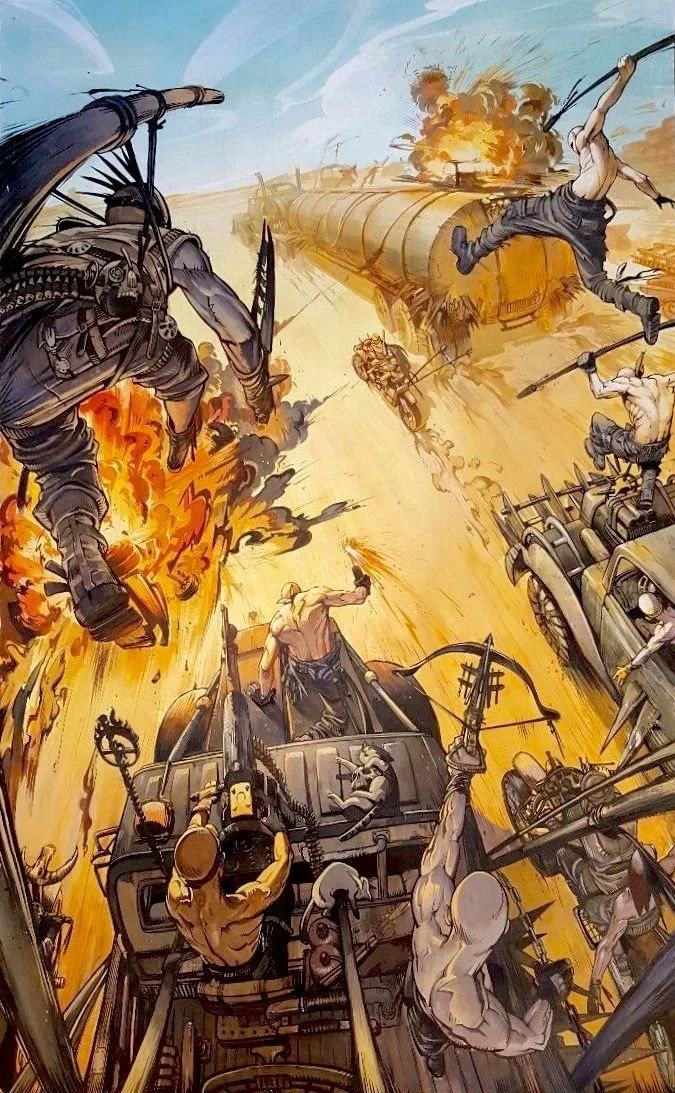
What you can really learn from comics is framing. There, each "panel" is a point of view torn from the flow of events and context.
Framing works very clearly:
extreme angles (from below, above, diagonals);
urban perspectives (fleeting lines, playing with volumes in the frame);
panoramic and drop shots for dynamics or drama.
Examples:
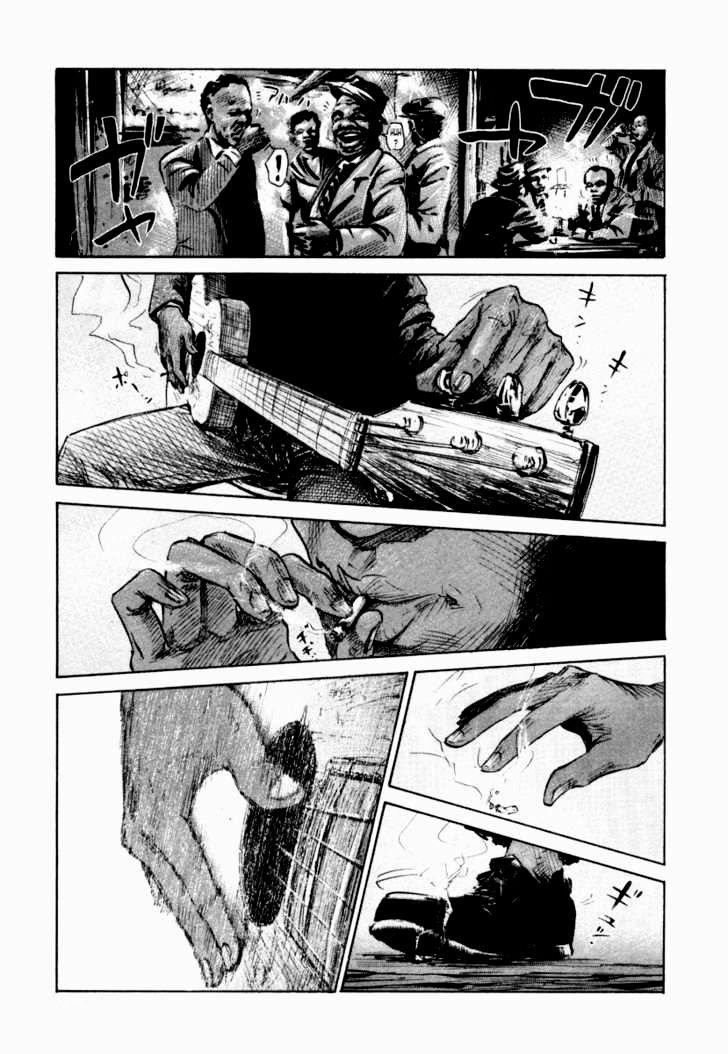
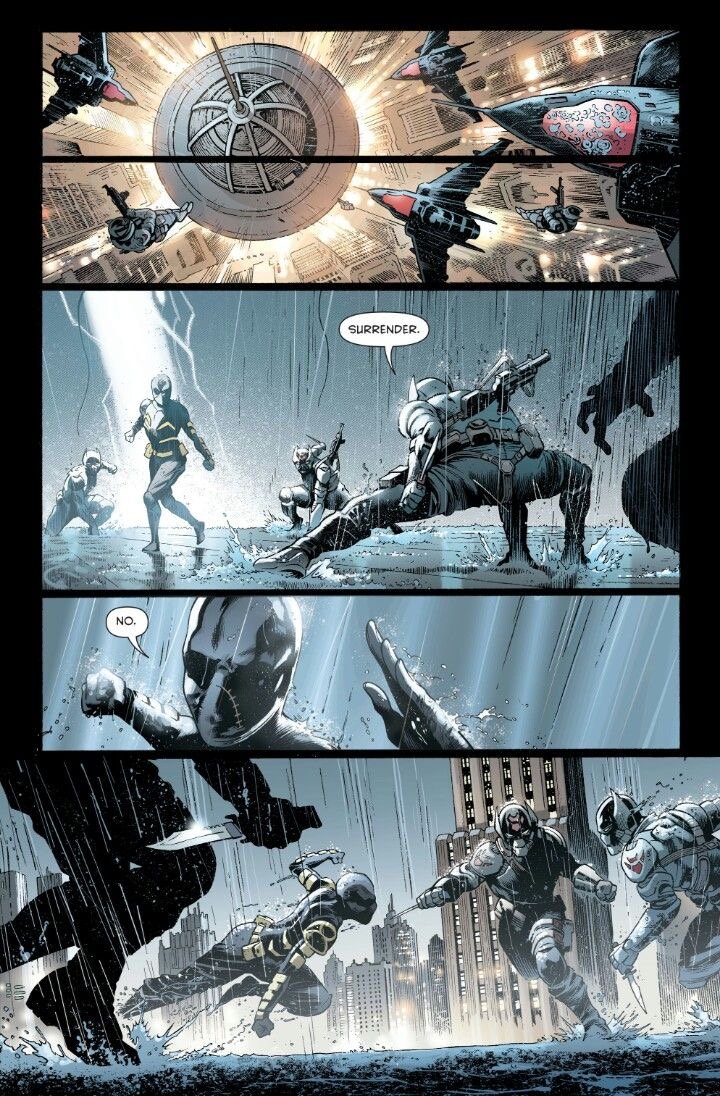
A game with different plans and angles. Imagine it as pieces of video or photos.
Playing with different volumes and lines.
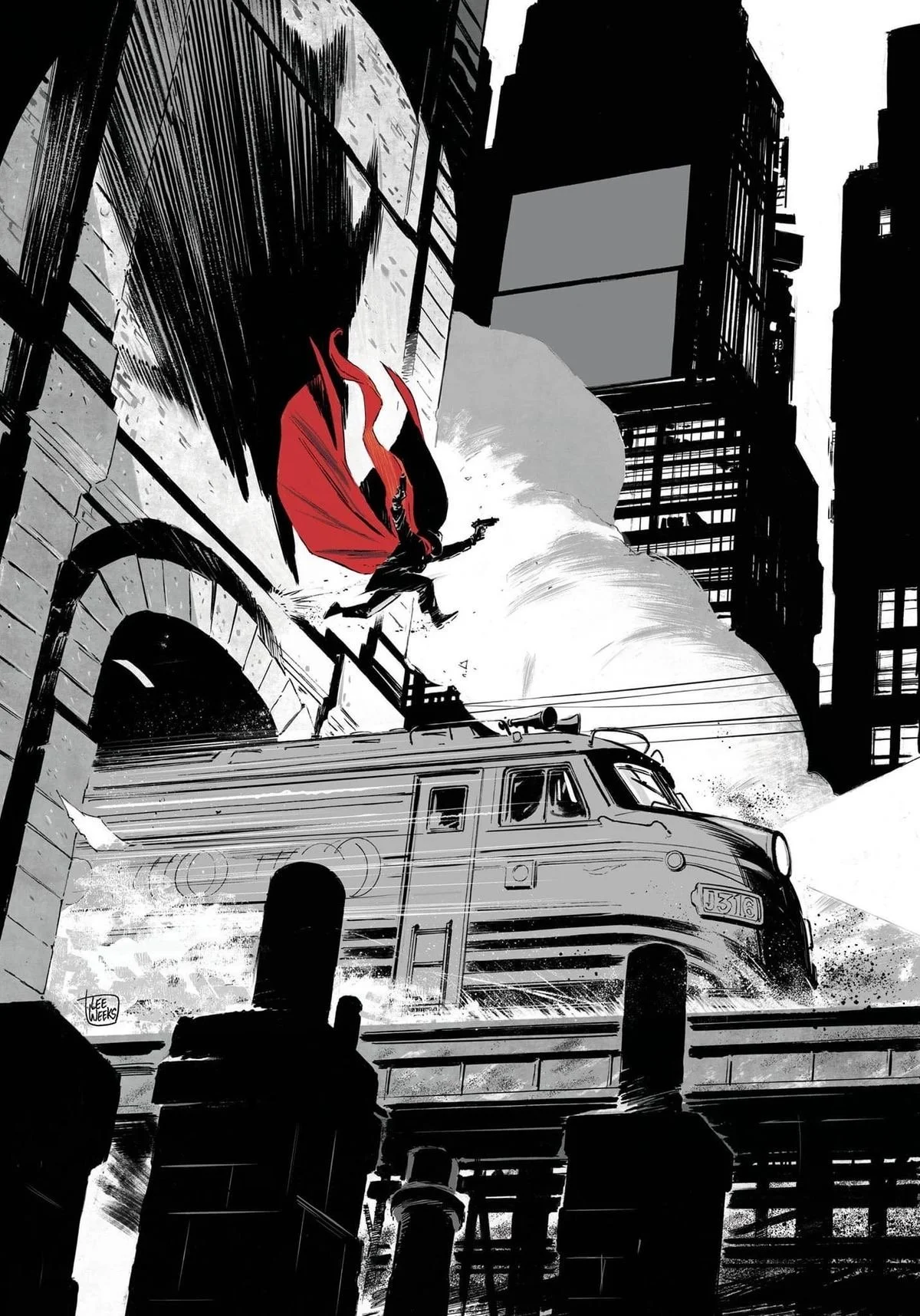
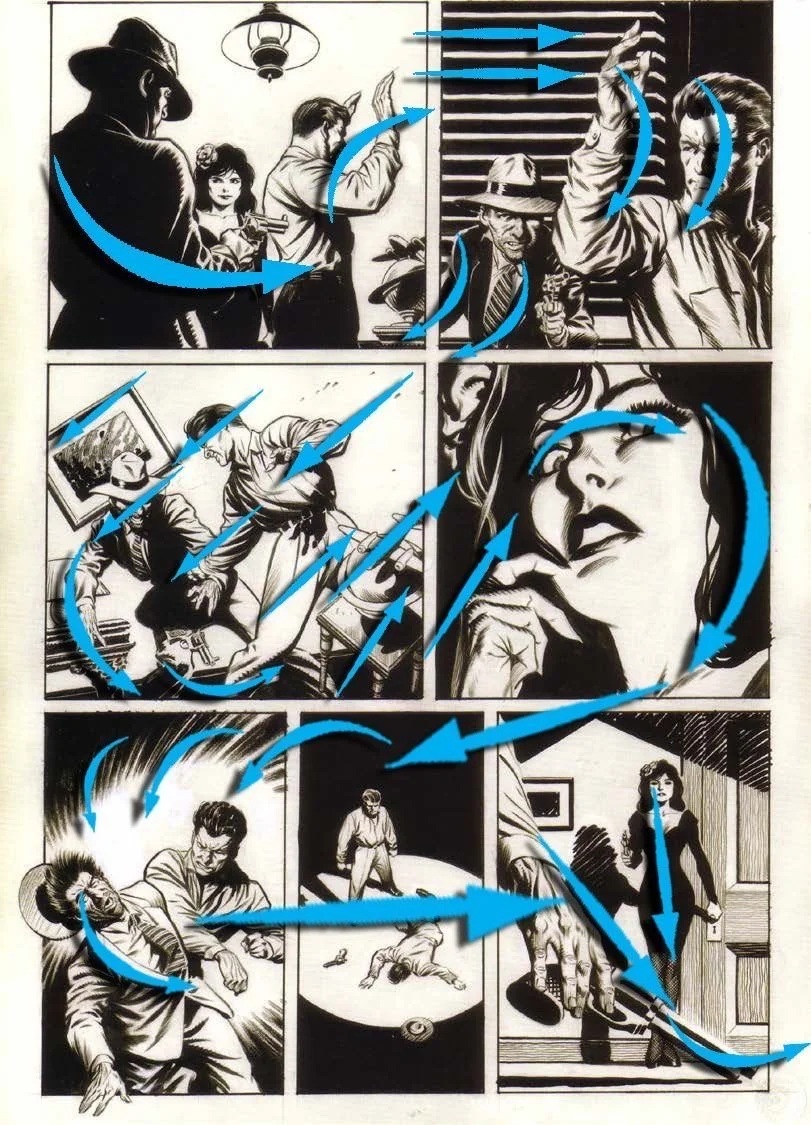
Again, the framing and how each scene leads the viewer's eye to the next scene, tying it all together into a coherent story.
Dynamics are felt in every piece.
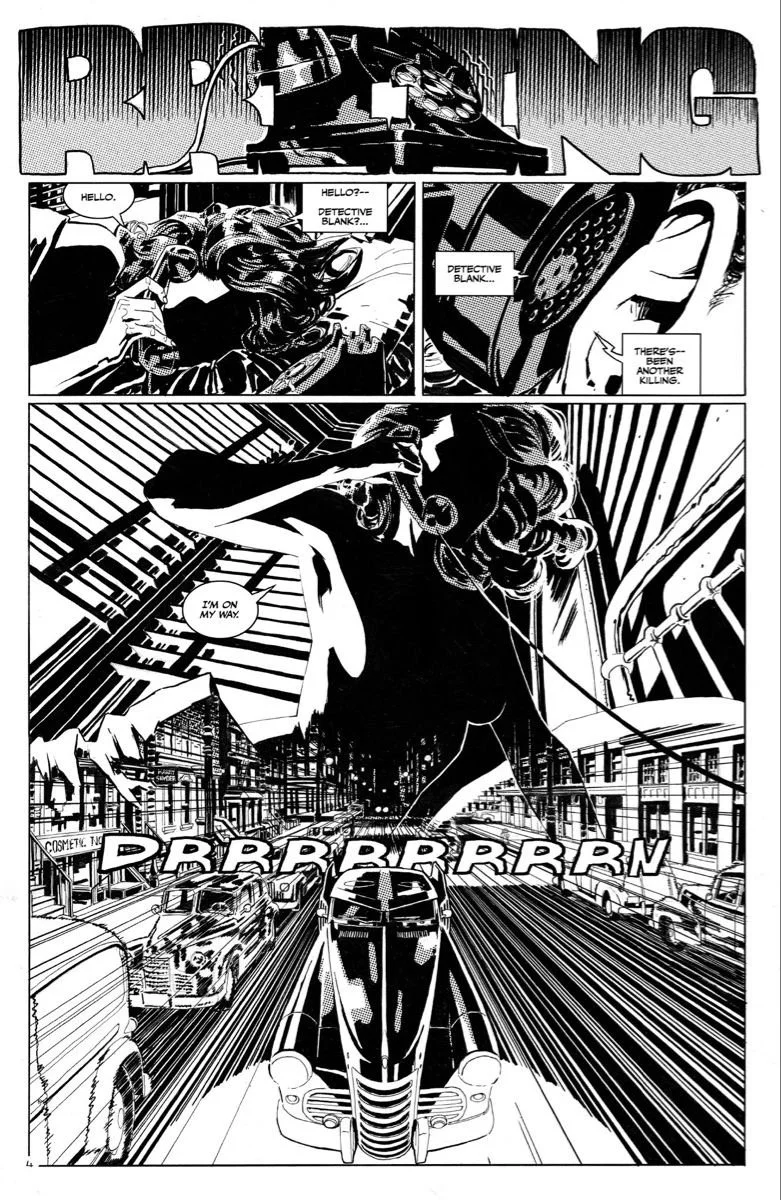
Notice the number of shots that create depth of field. In photography and video, this teaches us to think in terms of scenes, not just poses.
Comics and conceptual art often work with hyperbolized light:
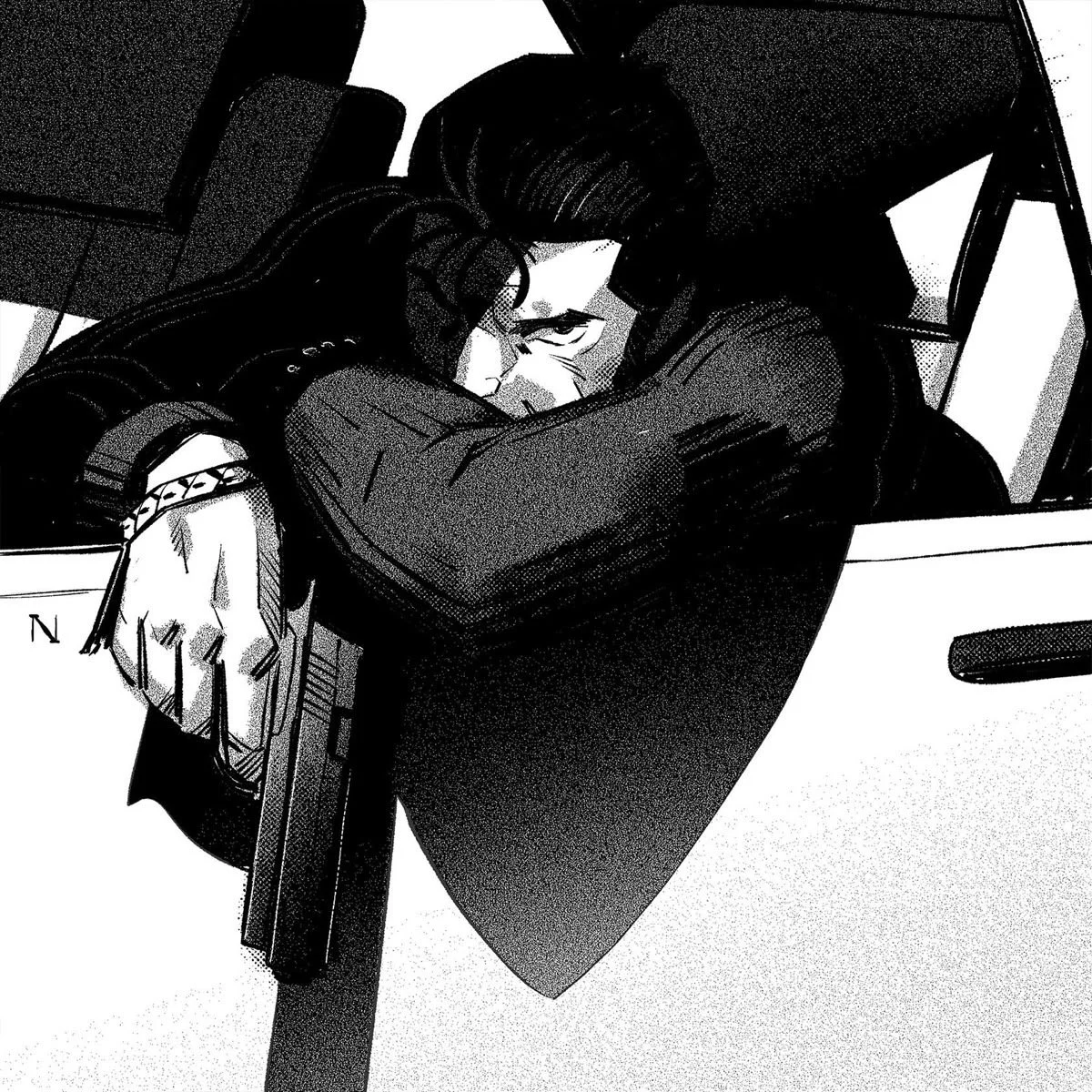
strong contrasts, almost cinematic light and shadow;
symbolic lighting of characters (as in noir or superhero series);
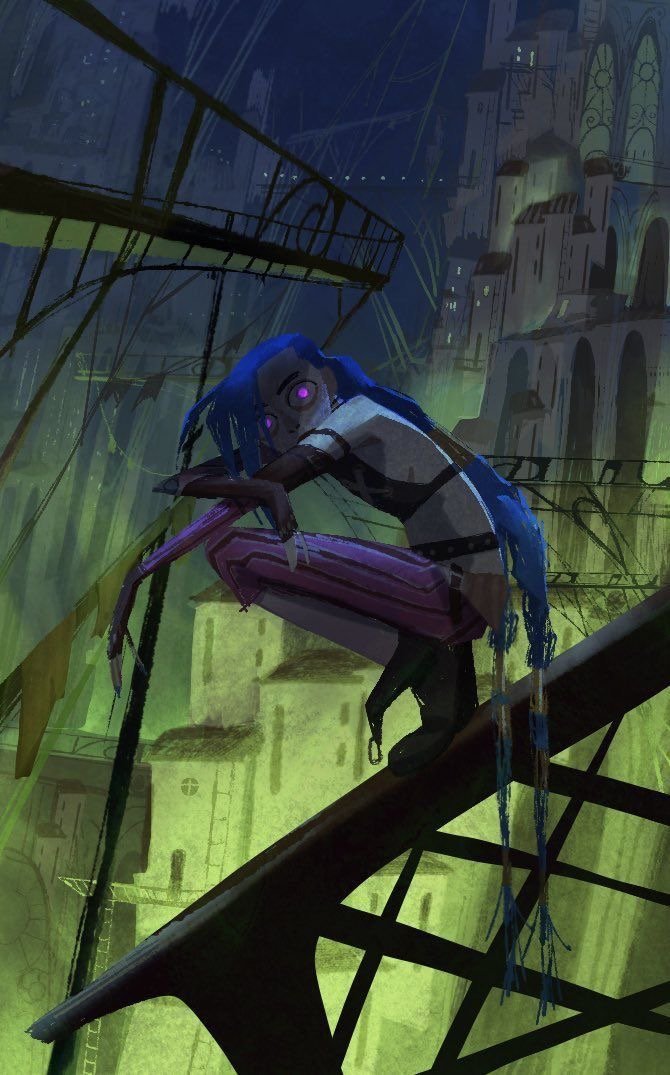
colored lighting for emotional reinforcement (green - threat, red - passion or danger, blue - isolation or peace).
2. Light as a plot device.

Examples:

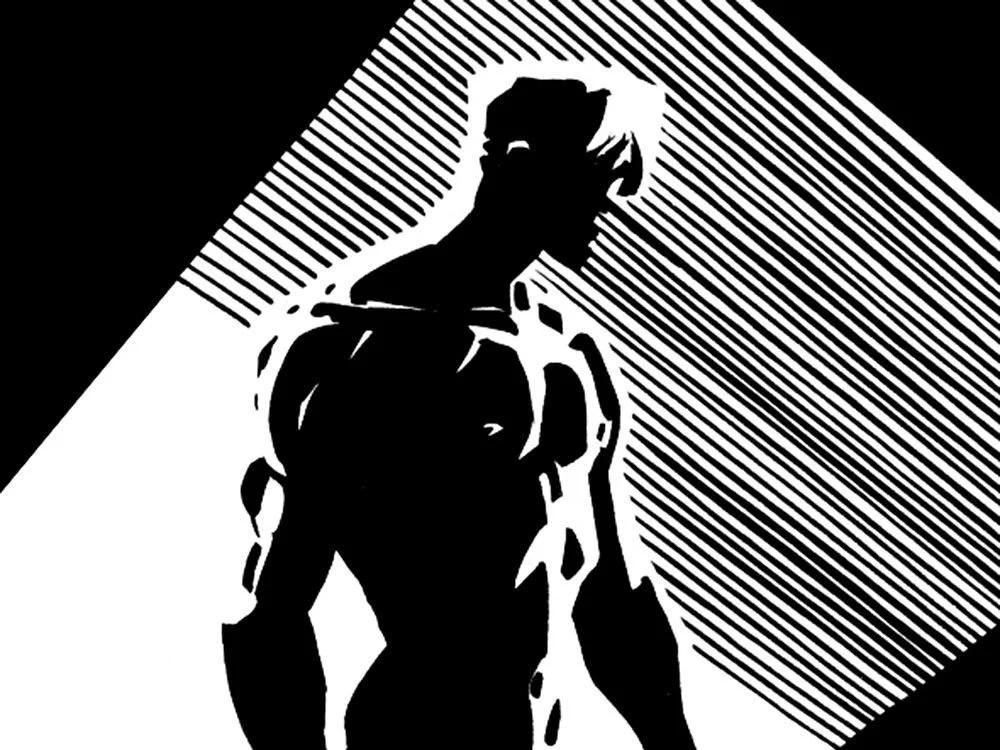
Just look at how interesting the contrast and negative space are used here.
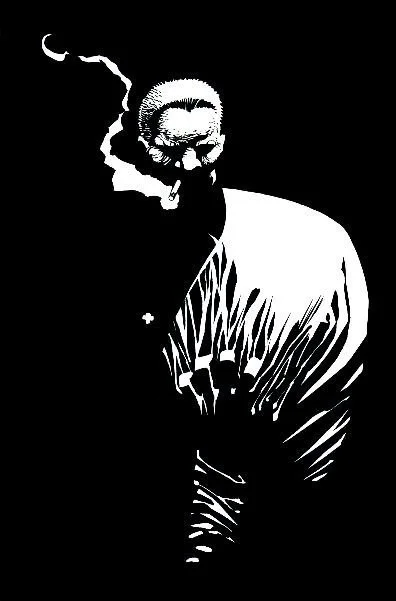
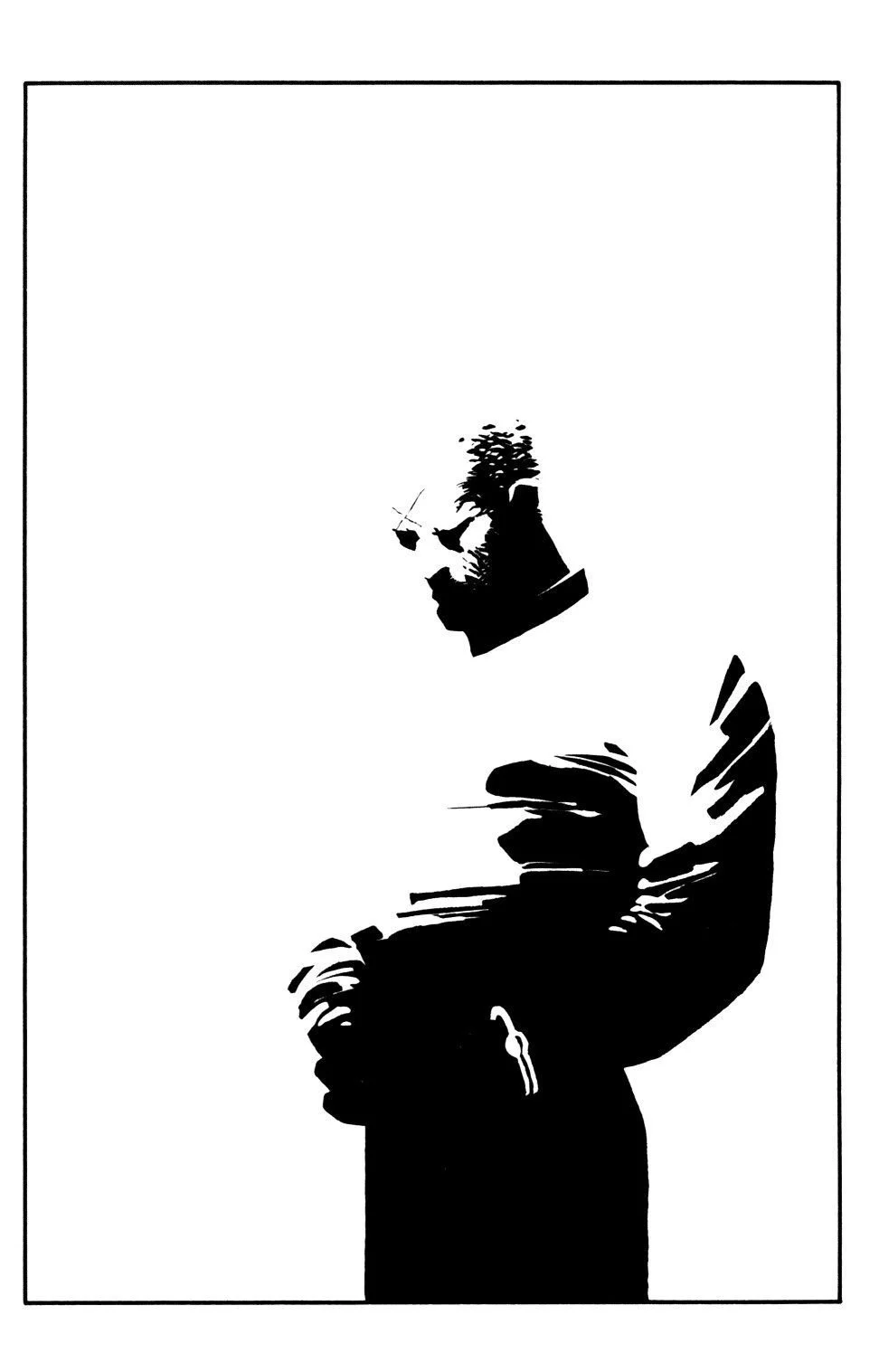
Color as a separate character - subconsciously playing with our emotions.
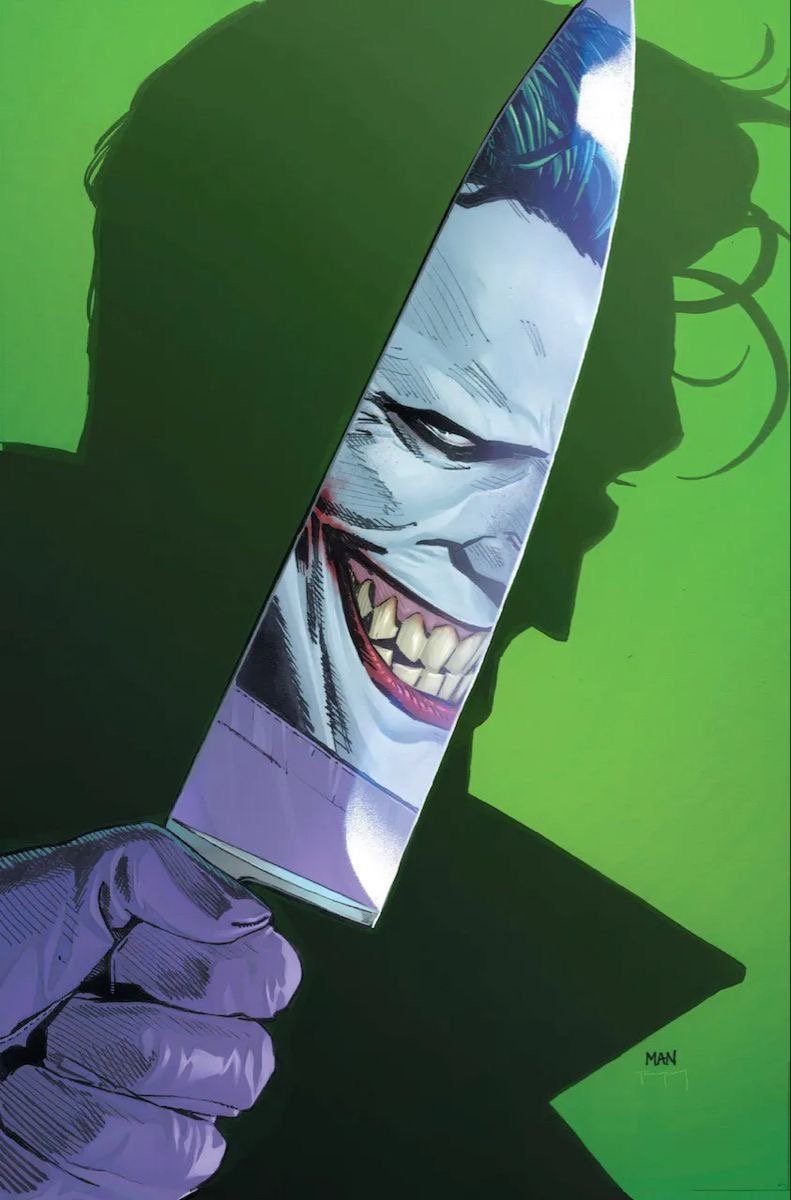
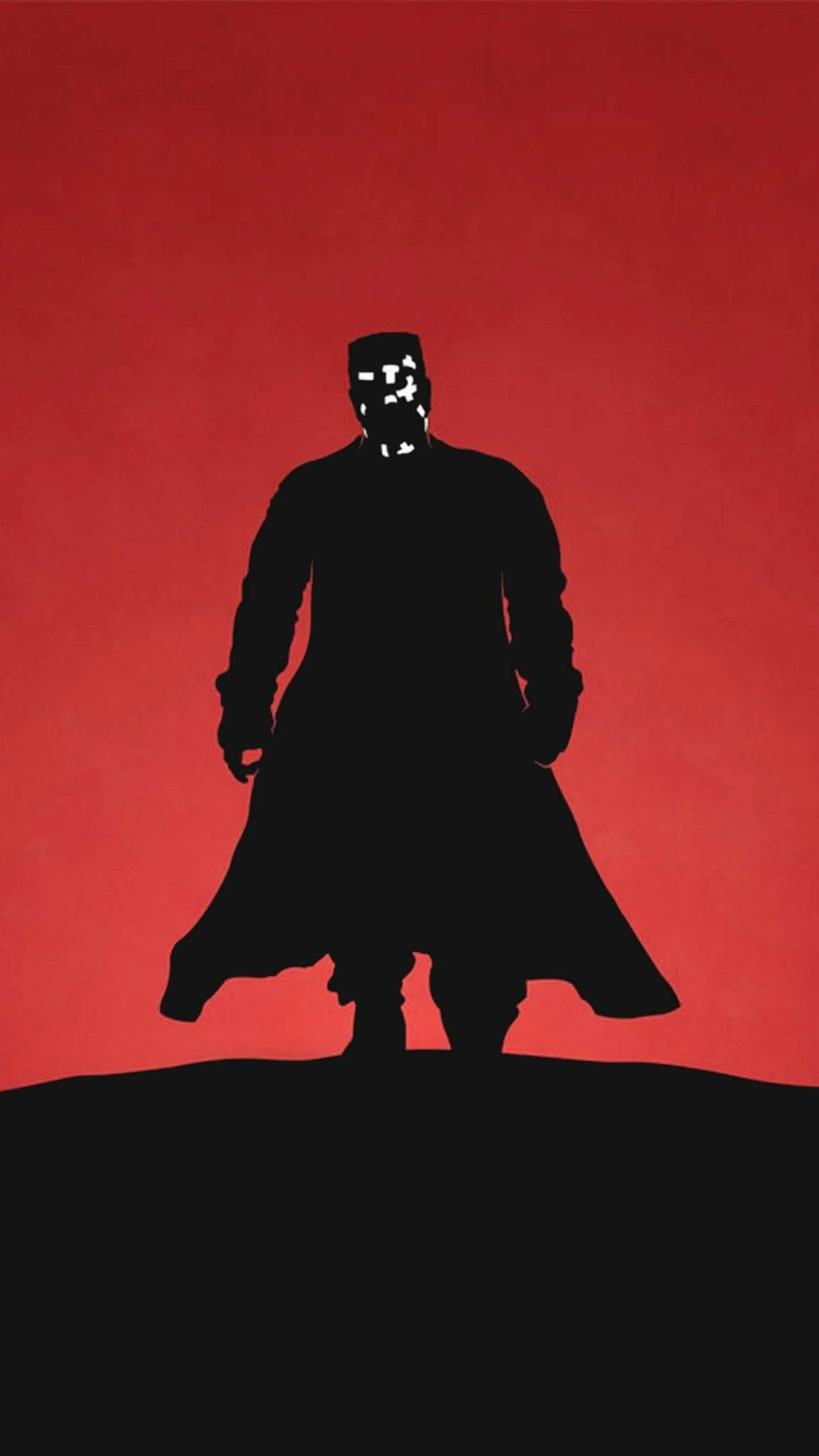
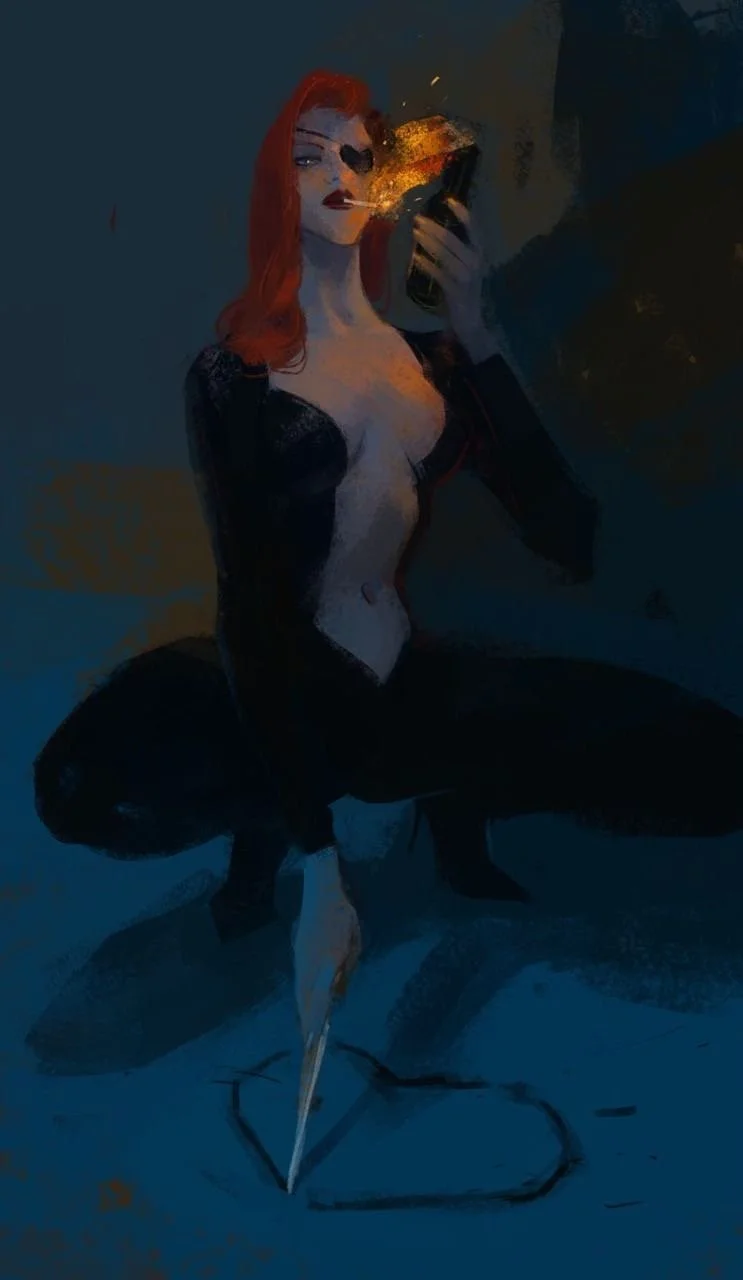
Symbolic lighting.
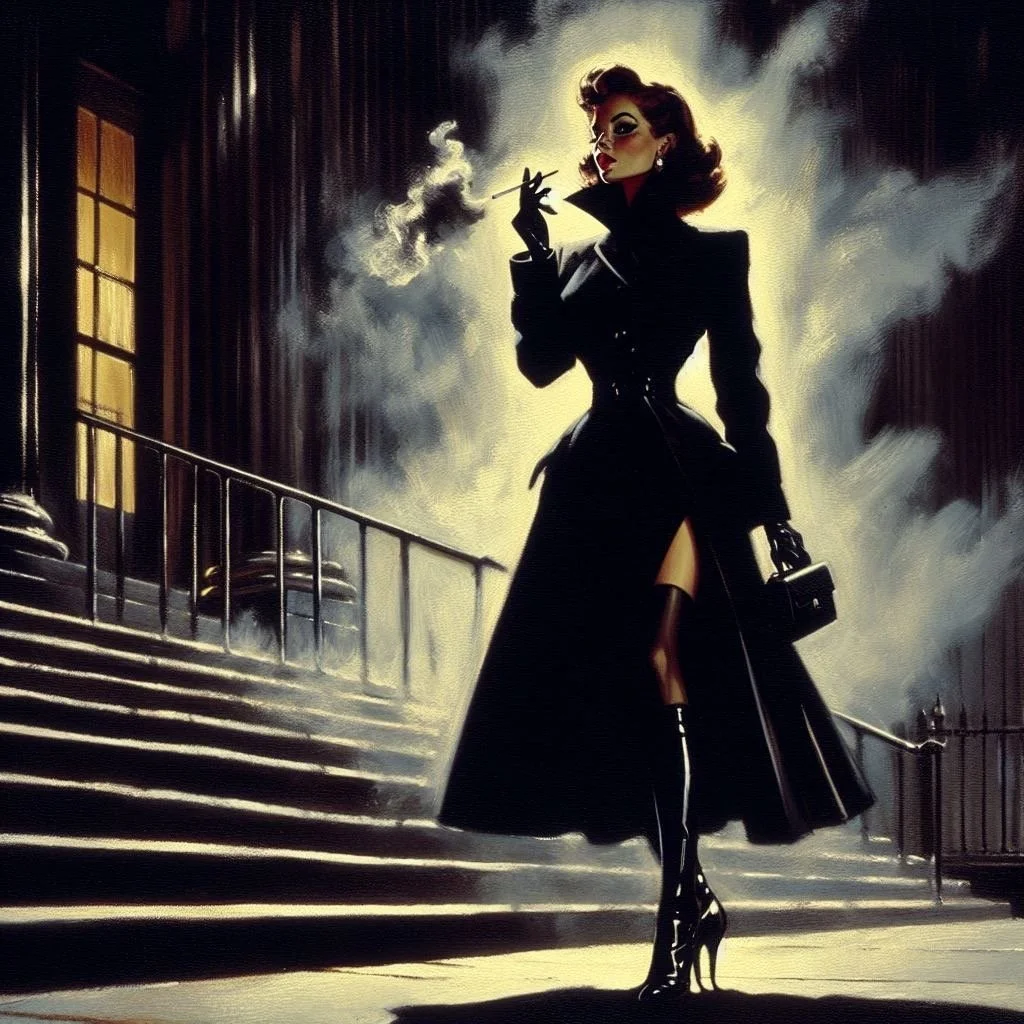
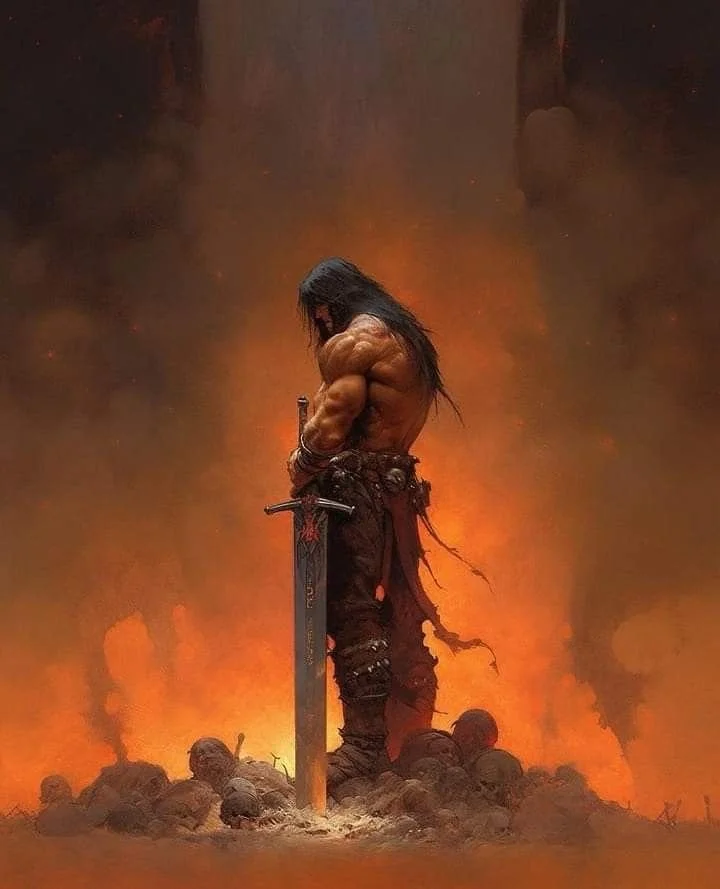

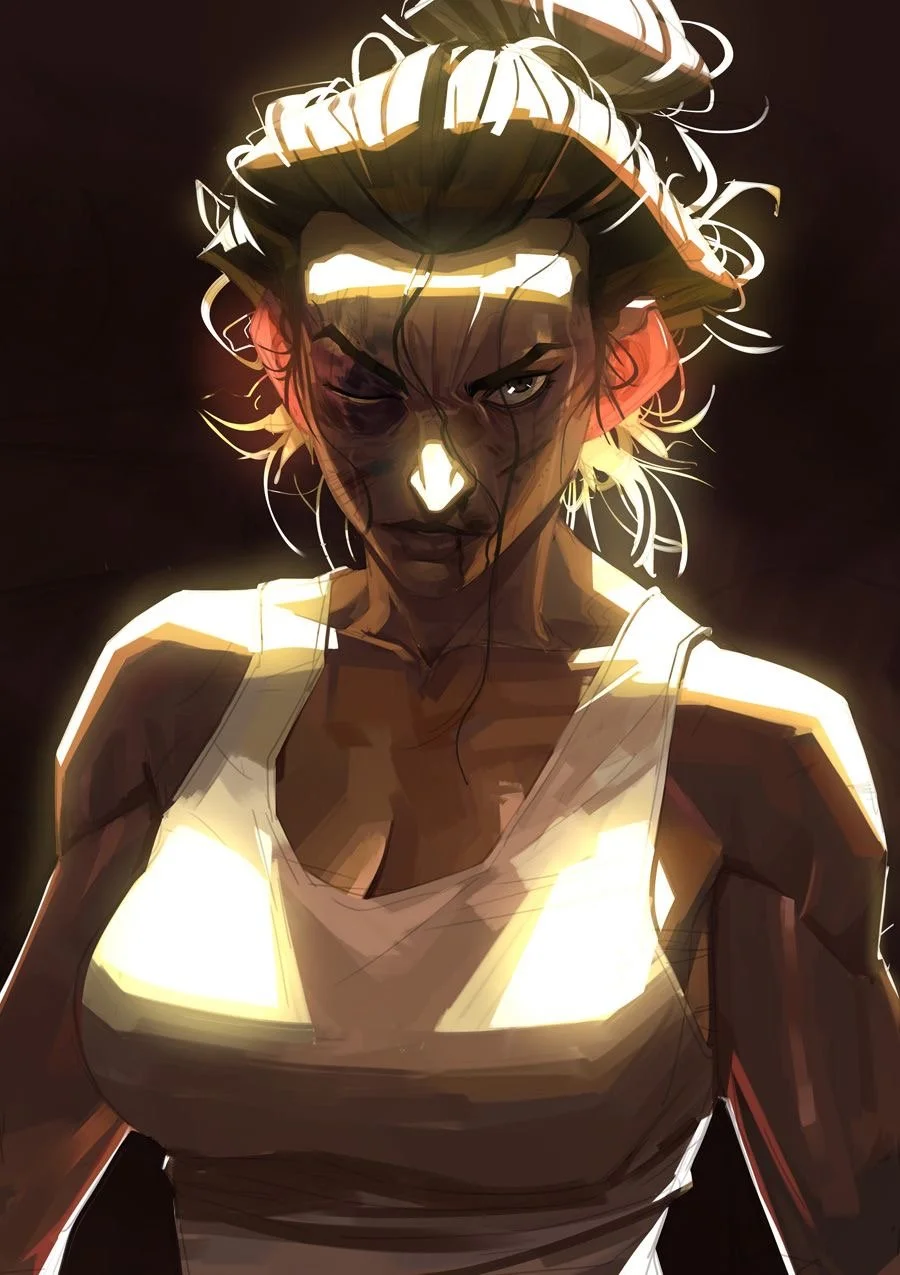




In photography and video, you can think of this not simply as “lighting the model,” but as “creating the creation of visual emotion.”
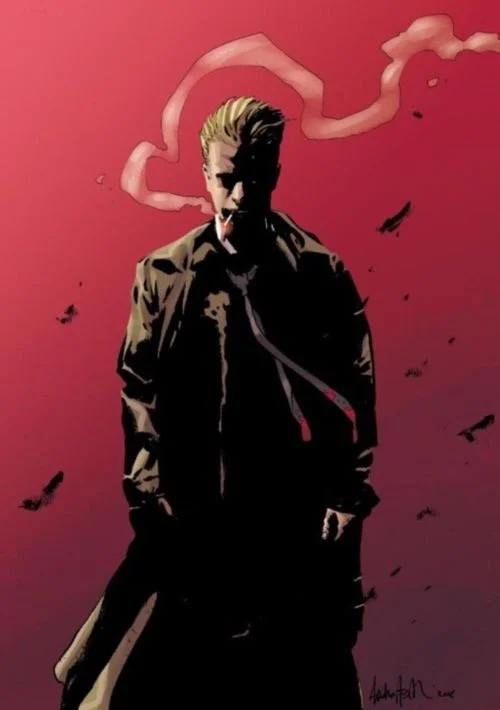
3. Hyperbolization of forms and poses.
Comics are a space for expression. There, figures are always at an extreme:
strong curves of the spine,
exaggerated gestures,
glances from under the forehead or with wide-open eyes.
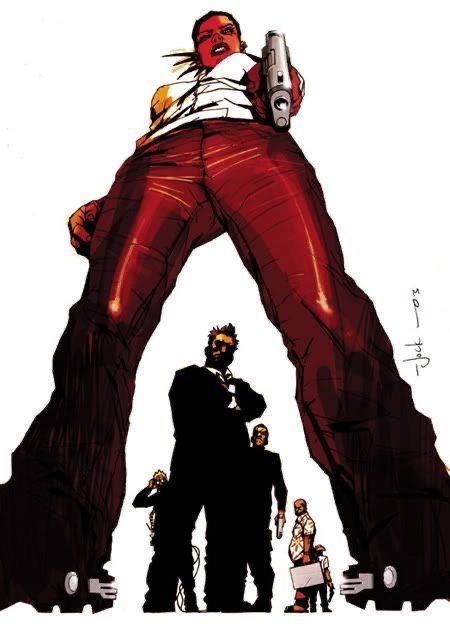
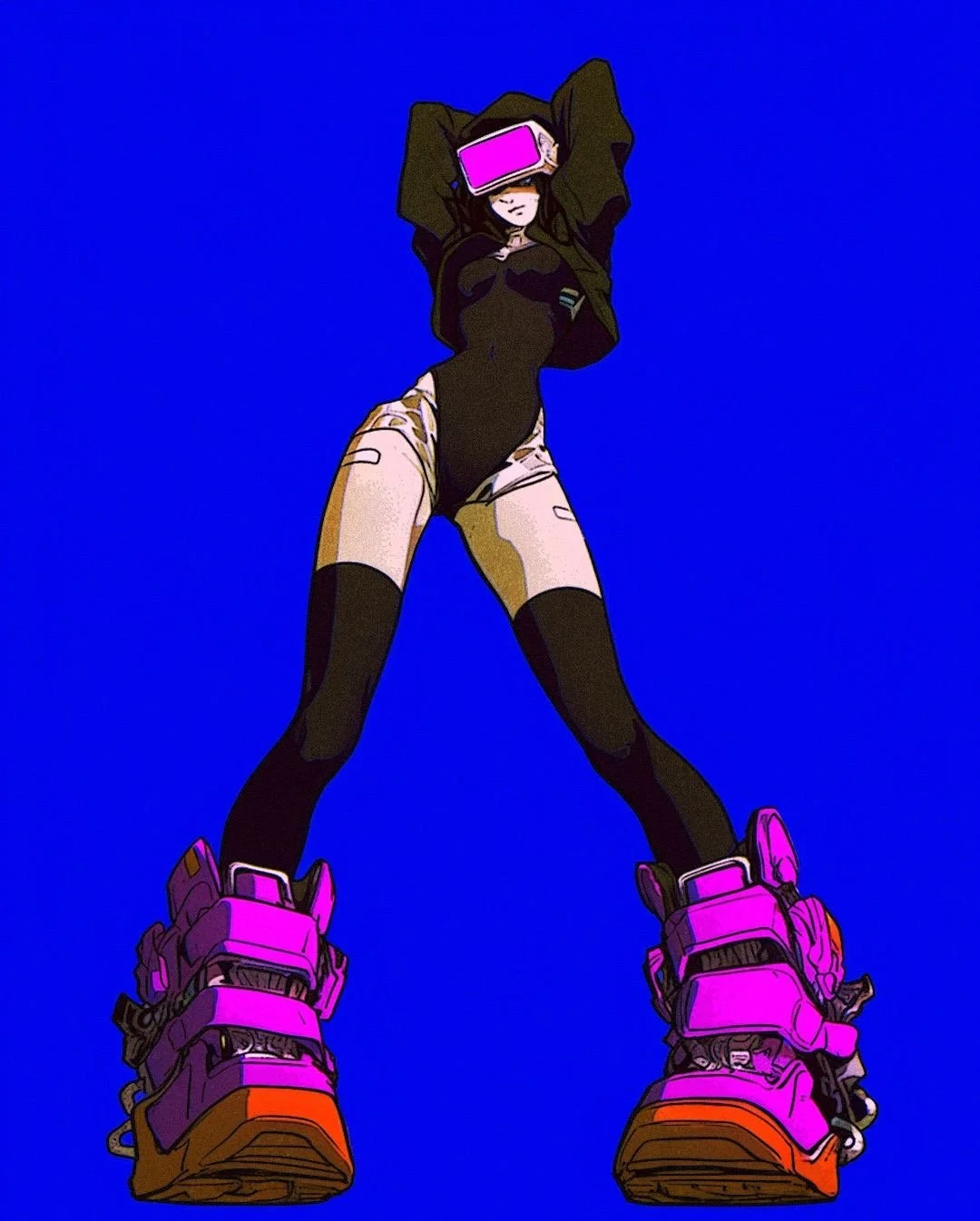
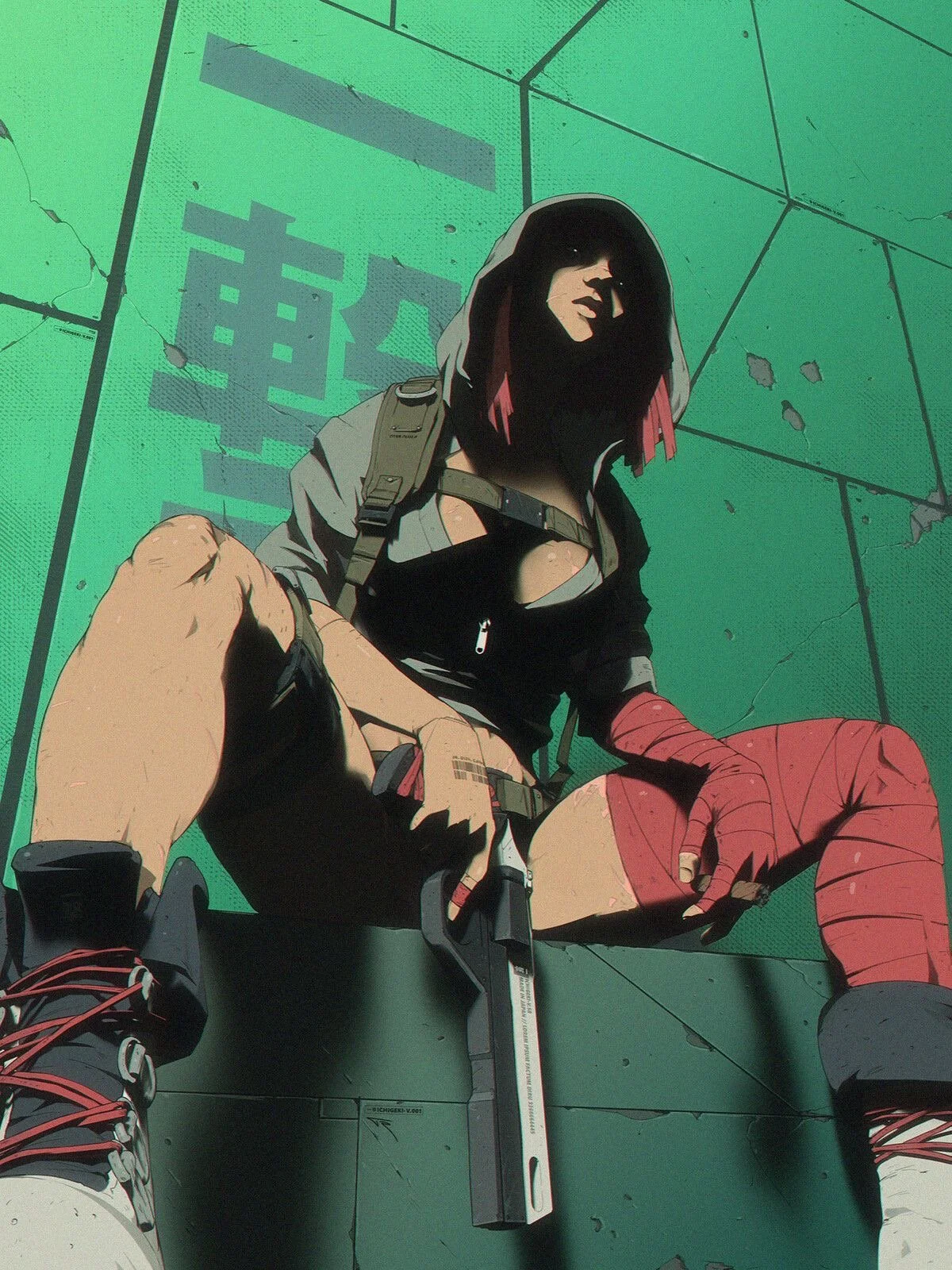

For a photographer or videographer, this gives them the courage to move away from "naturalness" and seek an image, plasticity, a moment of tension, or a climax.

4. Color as a code.
One way this works: comics often use a limited palette per series or character.
This teaches:
to build an image through color dominance,
Harness color associations—yellow can signal danger or madness, as in "Sin City."
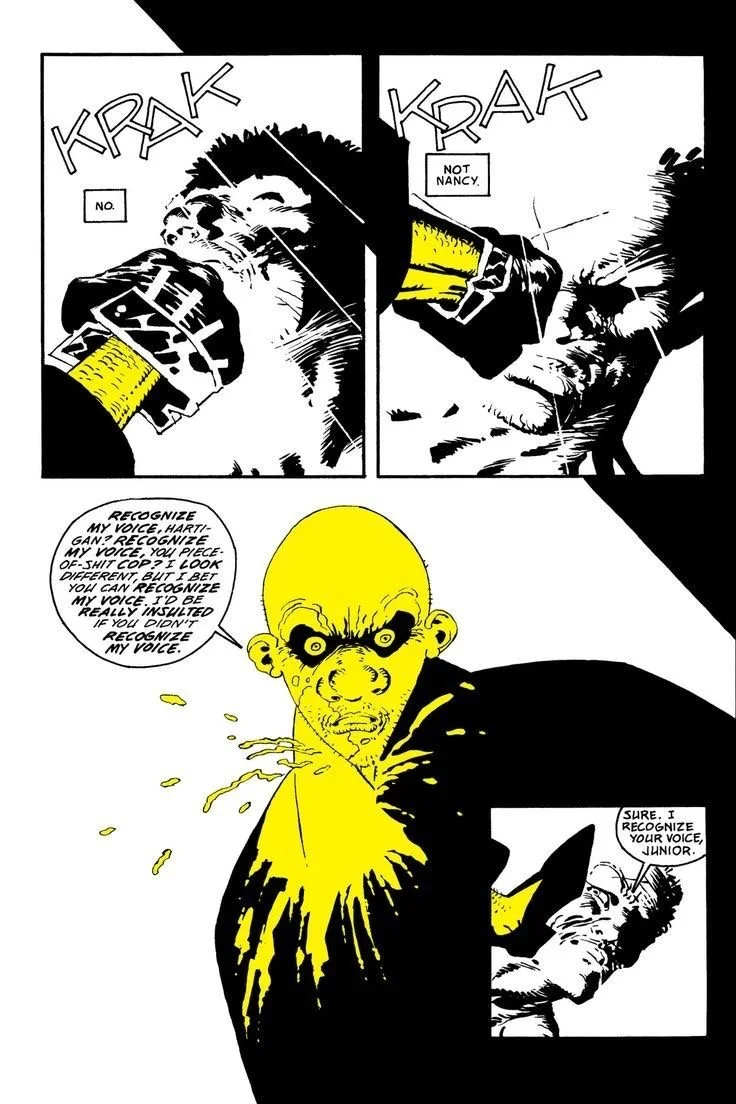
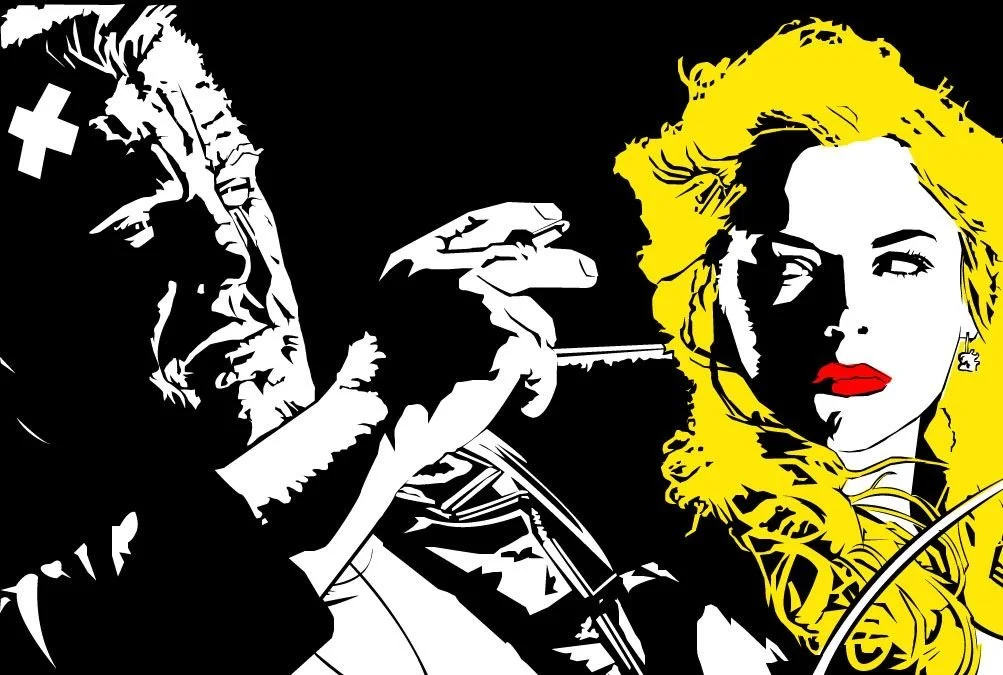
In the shooting process, this can help create a visual series with a color-coded "hero" or situation.
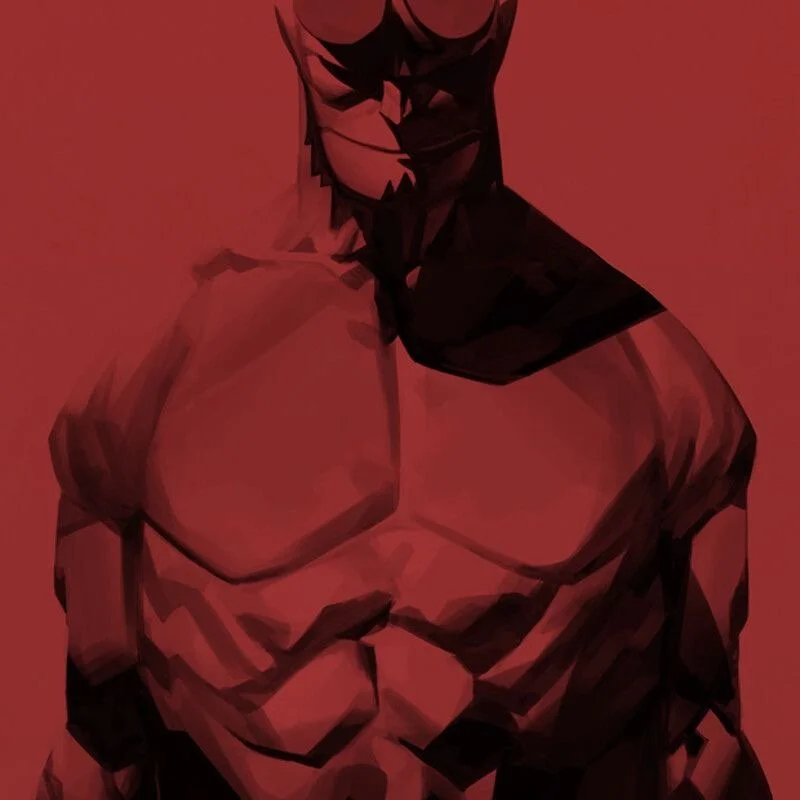
5. Editing and rhythm of the series.
Modern comics are about rhythm. Fast panels, delays, silence, pauses.
Similarly, photography in a serial format, or video editing, involves:
- showing action through a sequence of photos;
- knowing when to pause;
- varying the zoom levels to maintain the rhythm (here, for example, I personally need to refine my photography and editing skills).
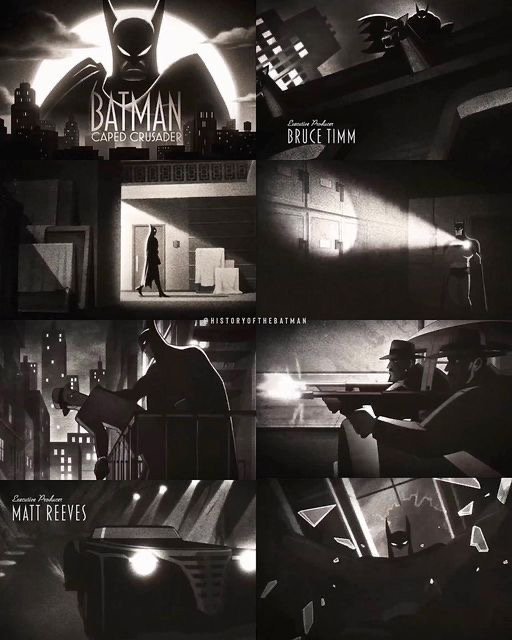
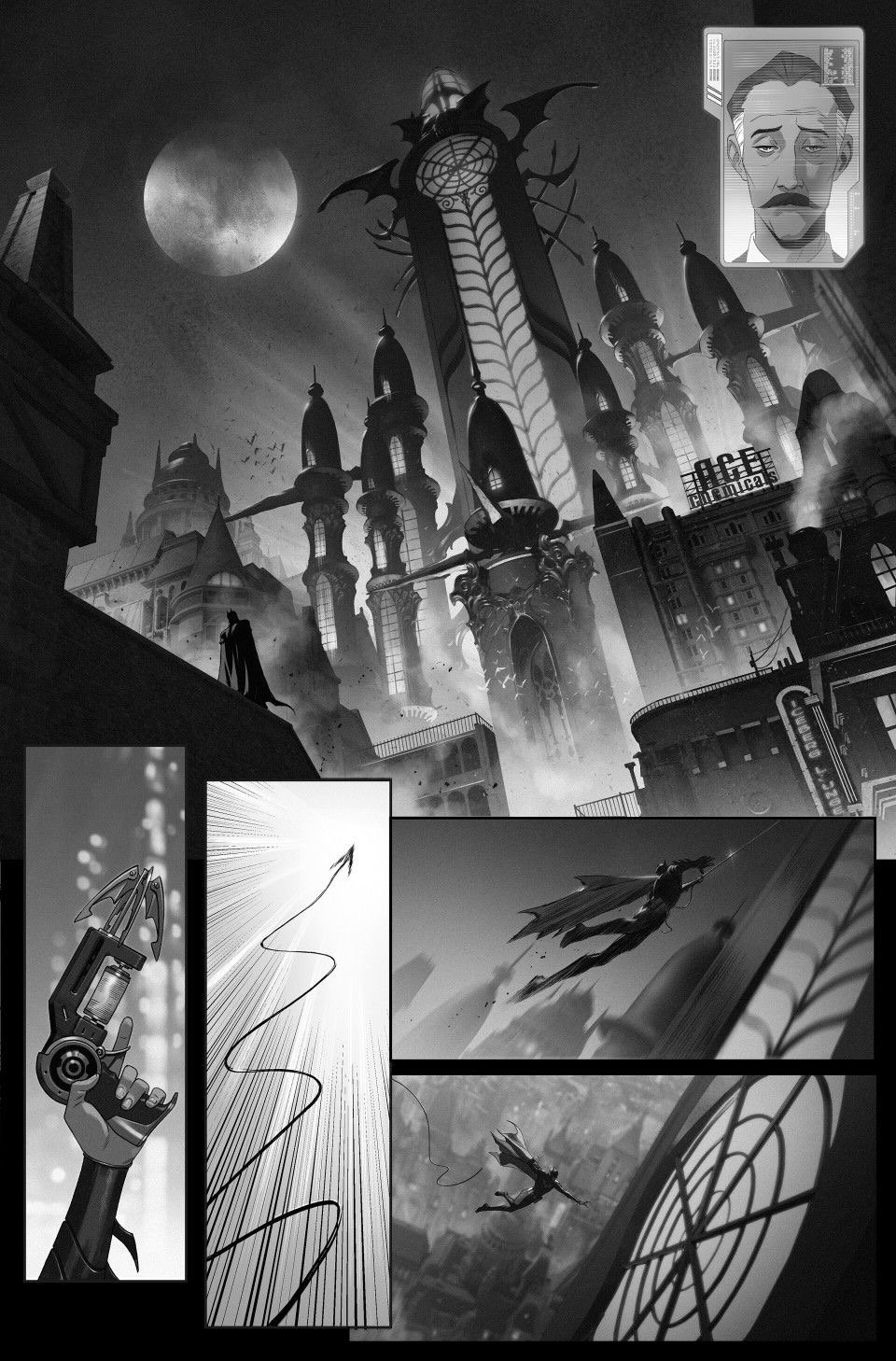
This can make photo series and videos closer to a story than just a collection of snapshots.
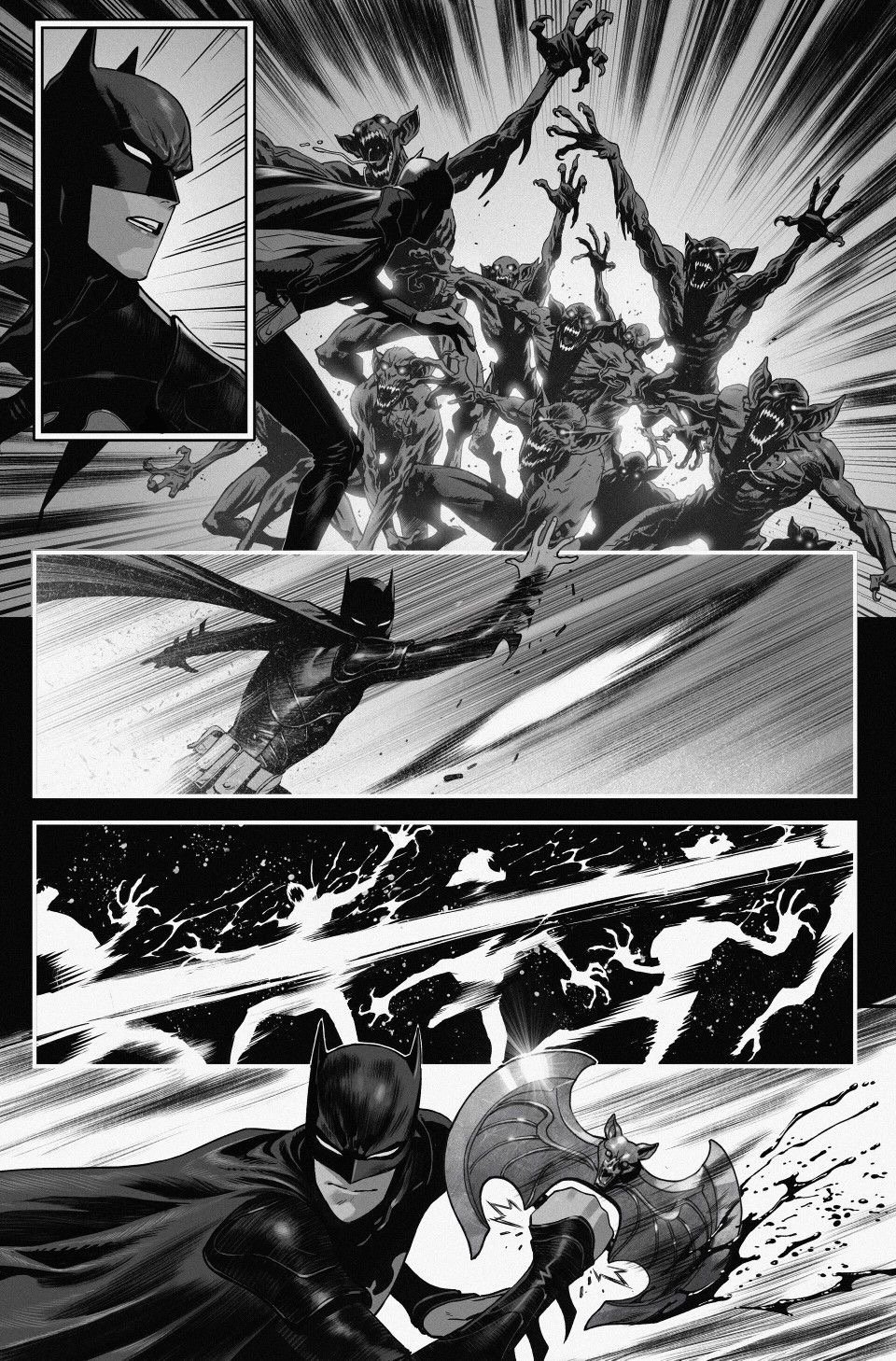
6. Visual identity of the character.
Comic book characters have very clearly defined facial expressions, gestures, costumes, or even a typical pose.
For example, Batman is often depicted as a "gargoyle" - a creature that sits with its spine arched and huddled together. It watches over the city from a height, hidden in the shadows.
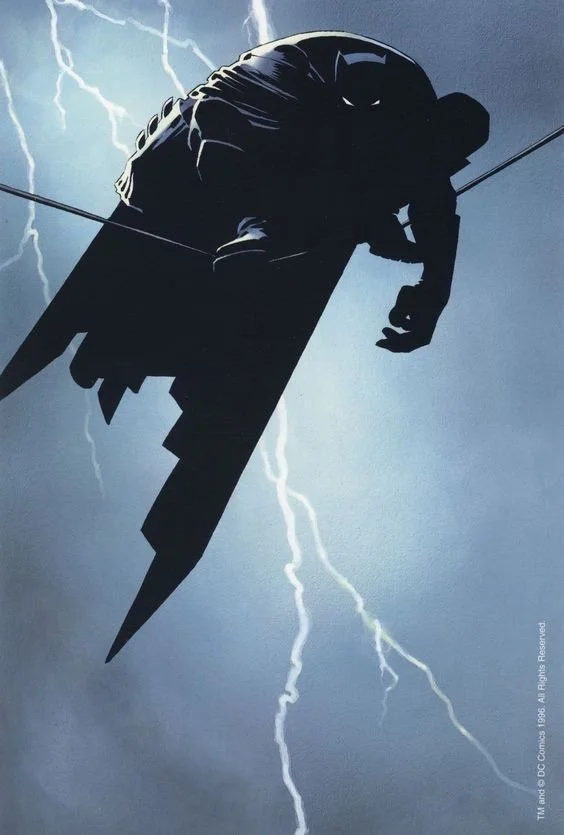
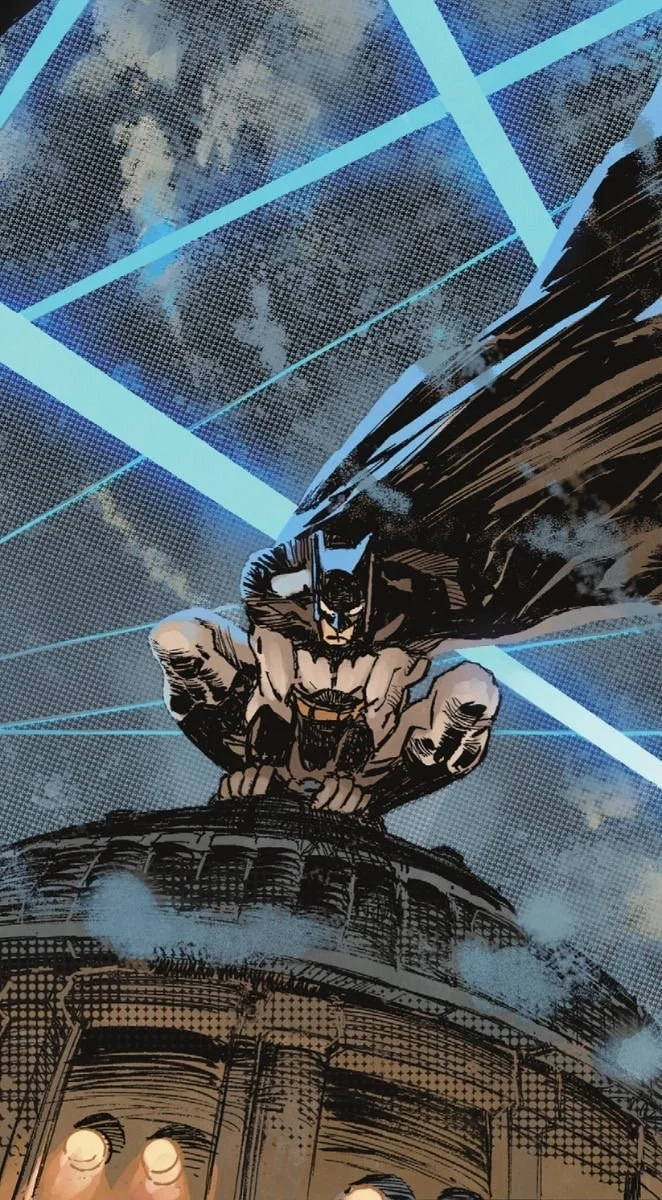
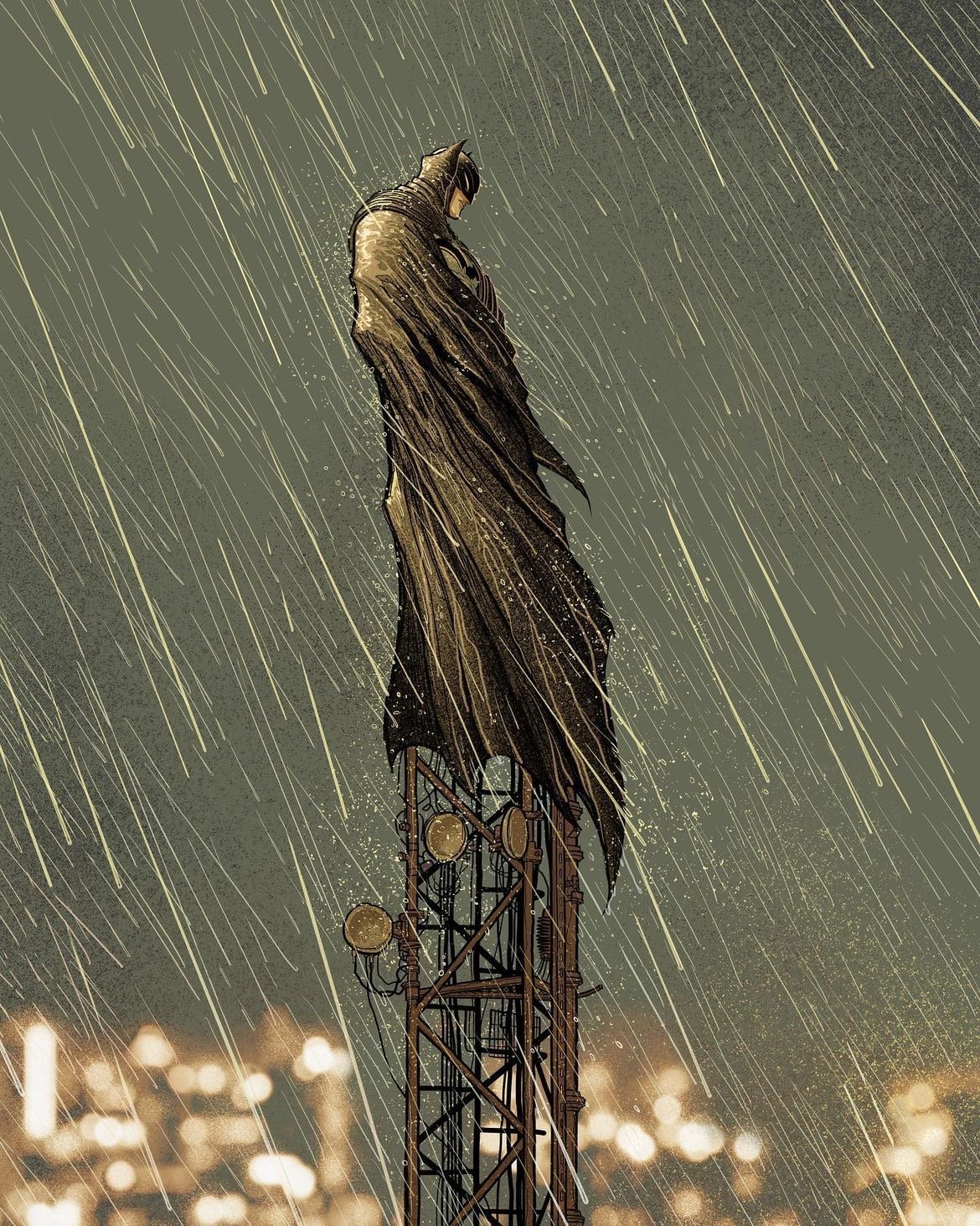
Similarly, as a photographer or videographer, you can approach the person in your frame as more than just a model.
By treating them as the visual hero of your story, you can use light, pose, framing, and even color to convey a person's character, emotions, and mood.
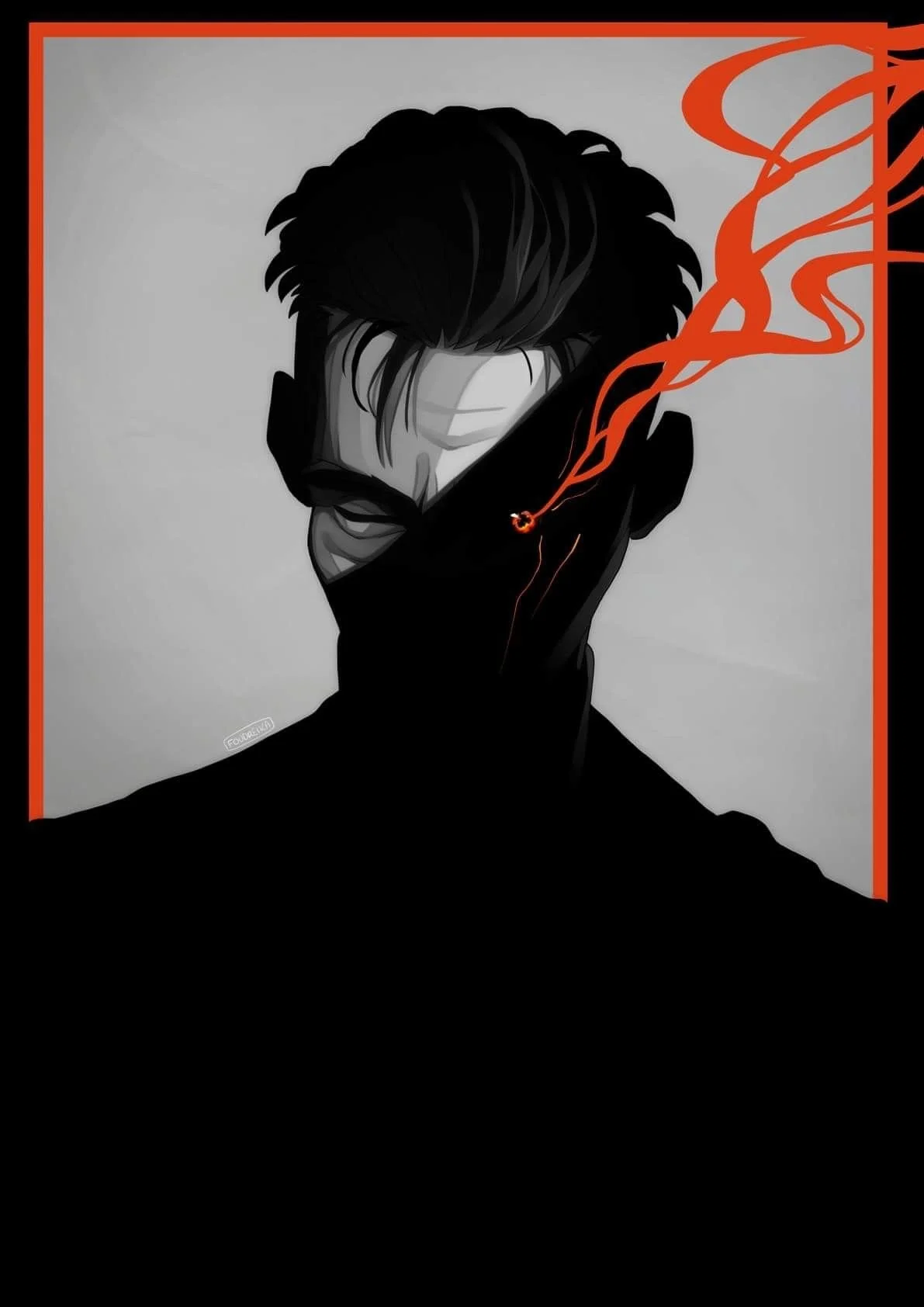
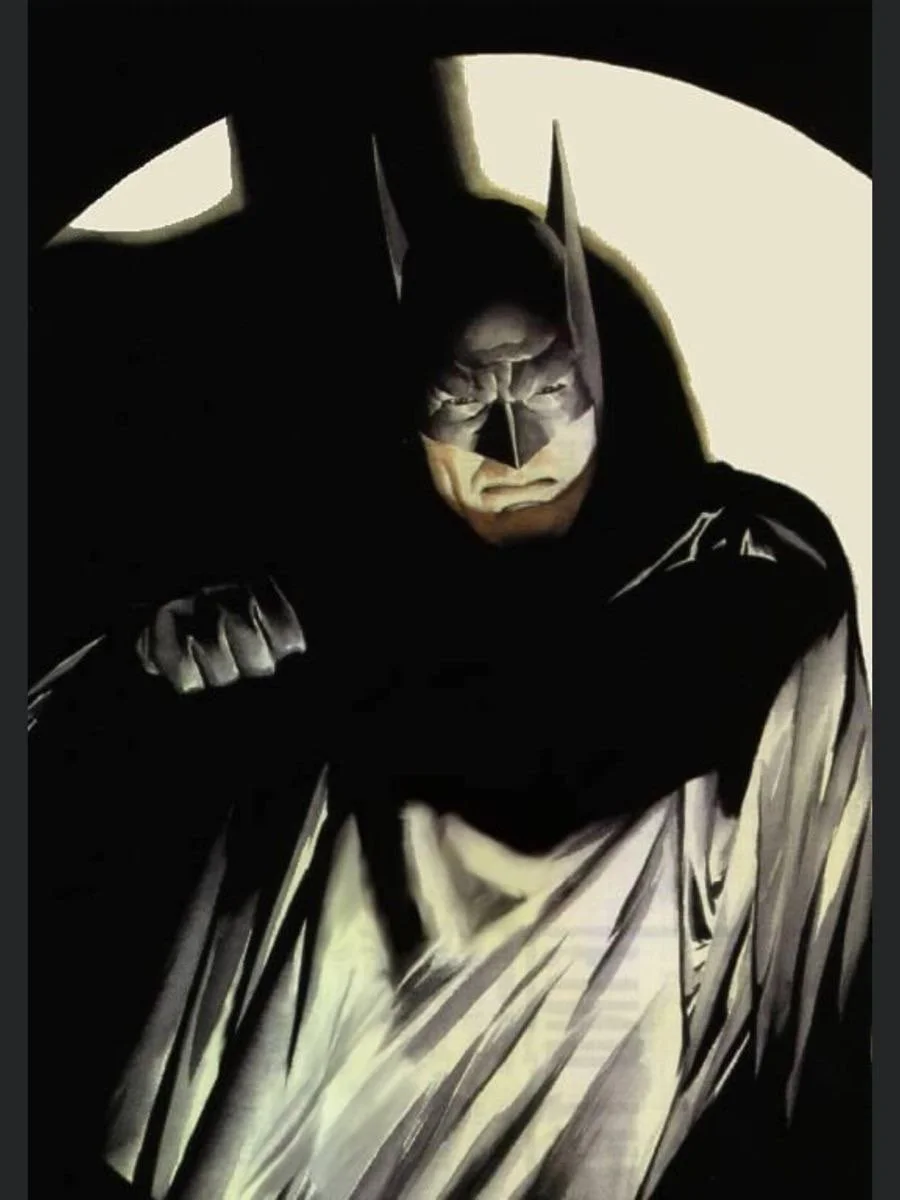
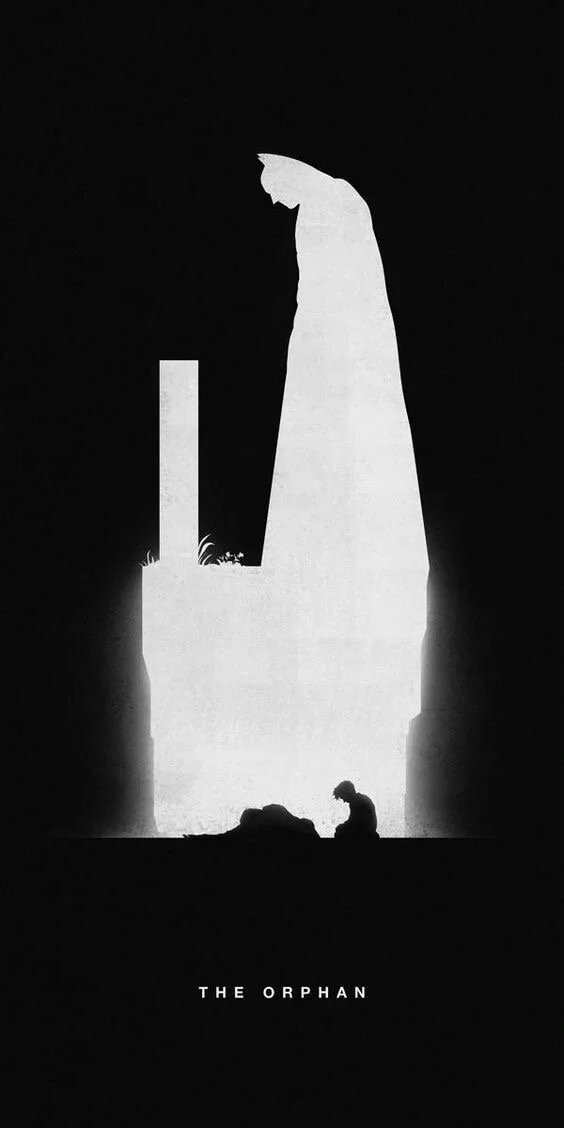
You can also find numerous visual metaphors in art that speak to the viewer without the need for words.
This is a great feature for adding extra meaning to your photos or videos.
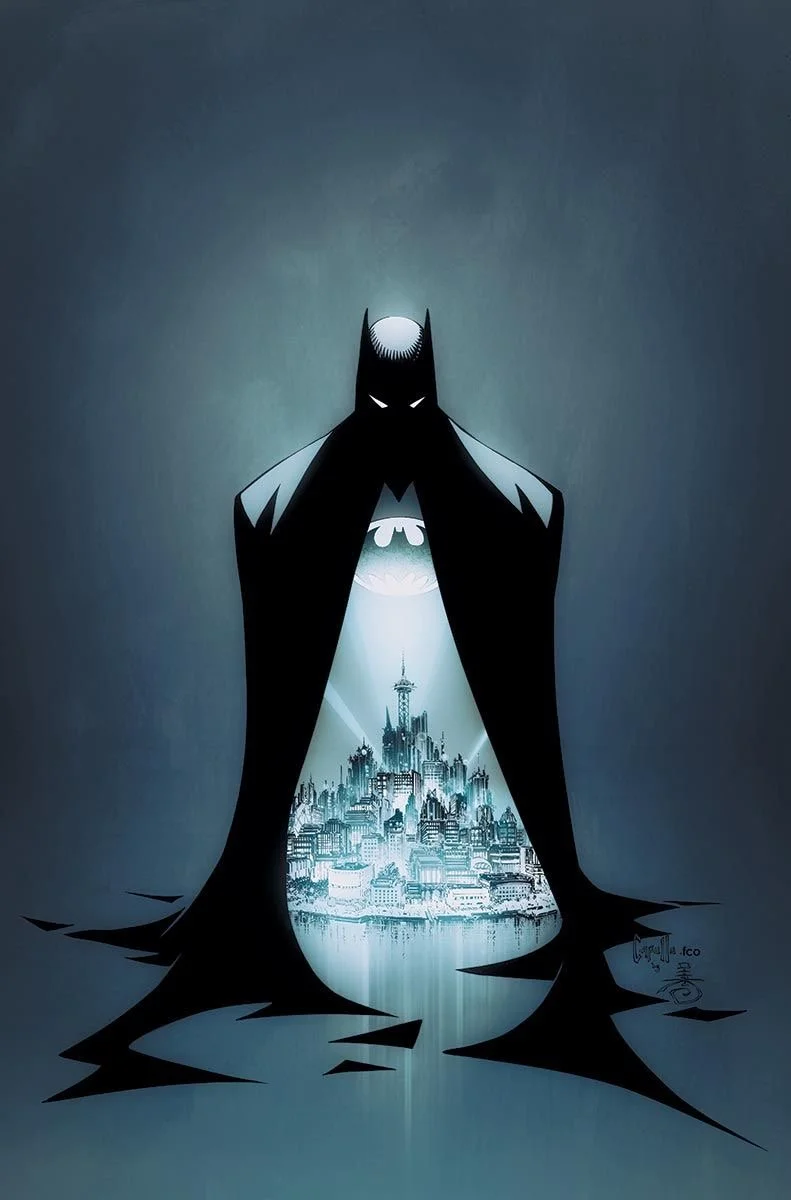
I hope this was useful and interesting.
By the way, almost every bookstore now has a comic book counter. Next time you're in a bookstore, don't be lazy, take a look and browse through them.
Who knows, maybe you'll be hooked). Thanks for your attention.